Rethinking the fully digital vision
Over the past decade, the automotive cockpit has evolved rapidly. Large displays, software-defined interfaces, and immersive digital experiences have reshaped how drivers interact with vehicles.
Yet the industry is now rediscovering a familiar element: analog instrumentation. From mechanical gauges in premium sports cars to hybrid clusters in luxury vehicles, analog displays are returning as a deliberate design choice.
Why analog still resonates
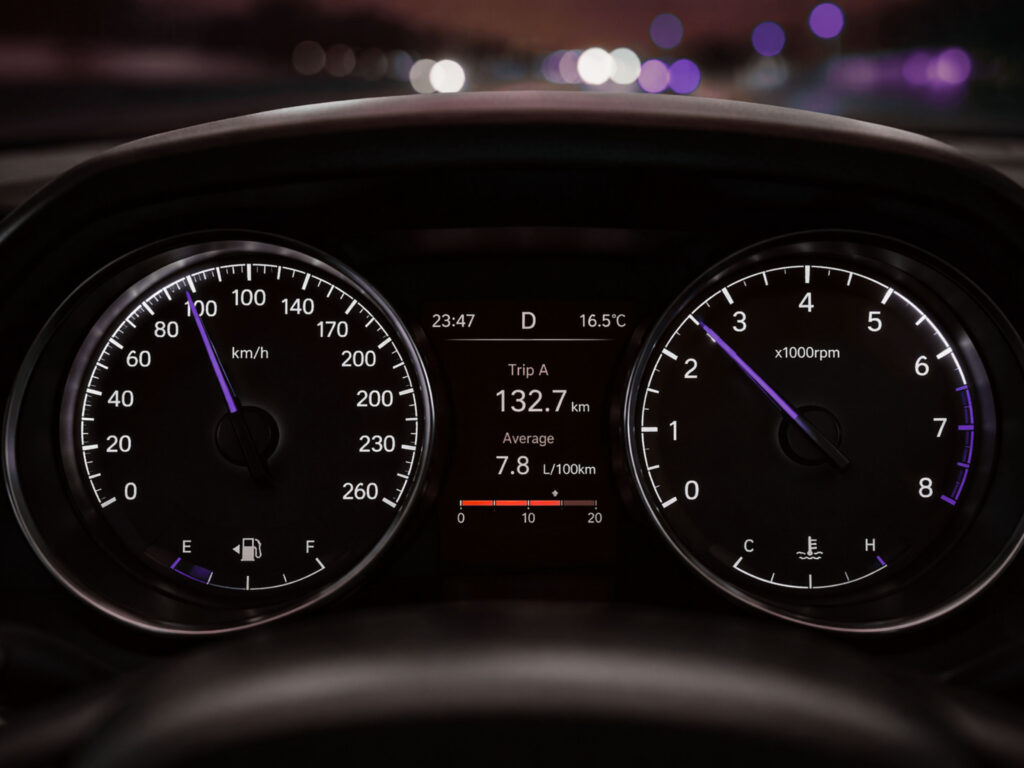
Analog gauges communicate information in ways that align naturally with human cognition. A needle’s position on a dial provides an immediate sense of value and change, allowing drivers to interpret speed, RPM, or temperature almost subconsciously. In contrast, digital readouts require focused attention to process numerical data.
This is especially relevant in dynamic driving scenarios enabling drivers to sense acceleration, deceleration, or system changes without shifting focus from the road.
Safety and regulation: a shift toward tactile interaction
The return of analog elements is also driven by concerns about driver distraction. As touchscreens have grown in size and functionality, they have introduced usability and safety challenges.
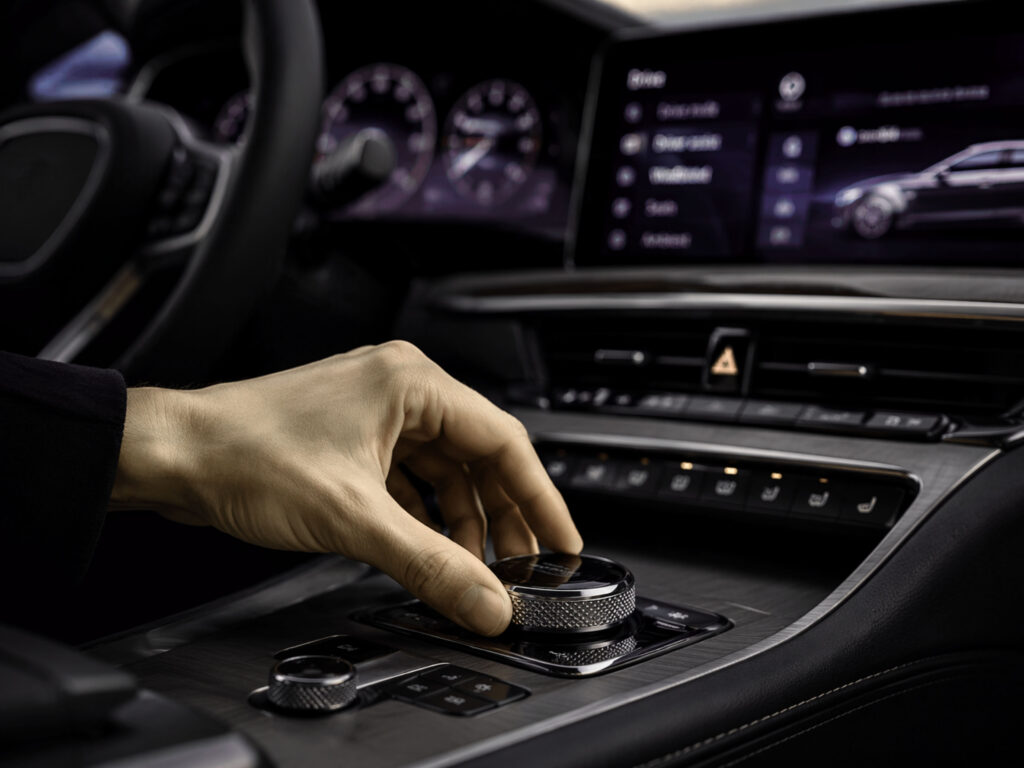
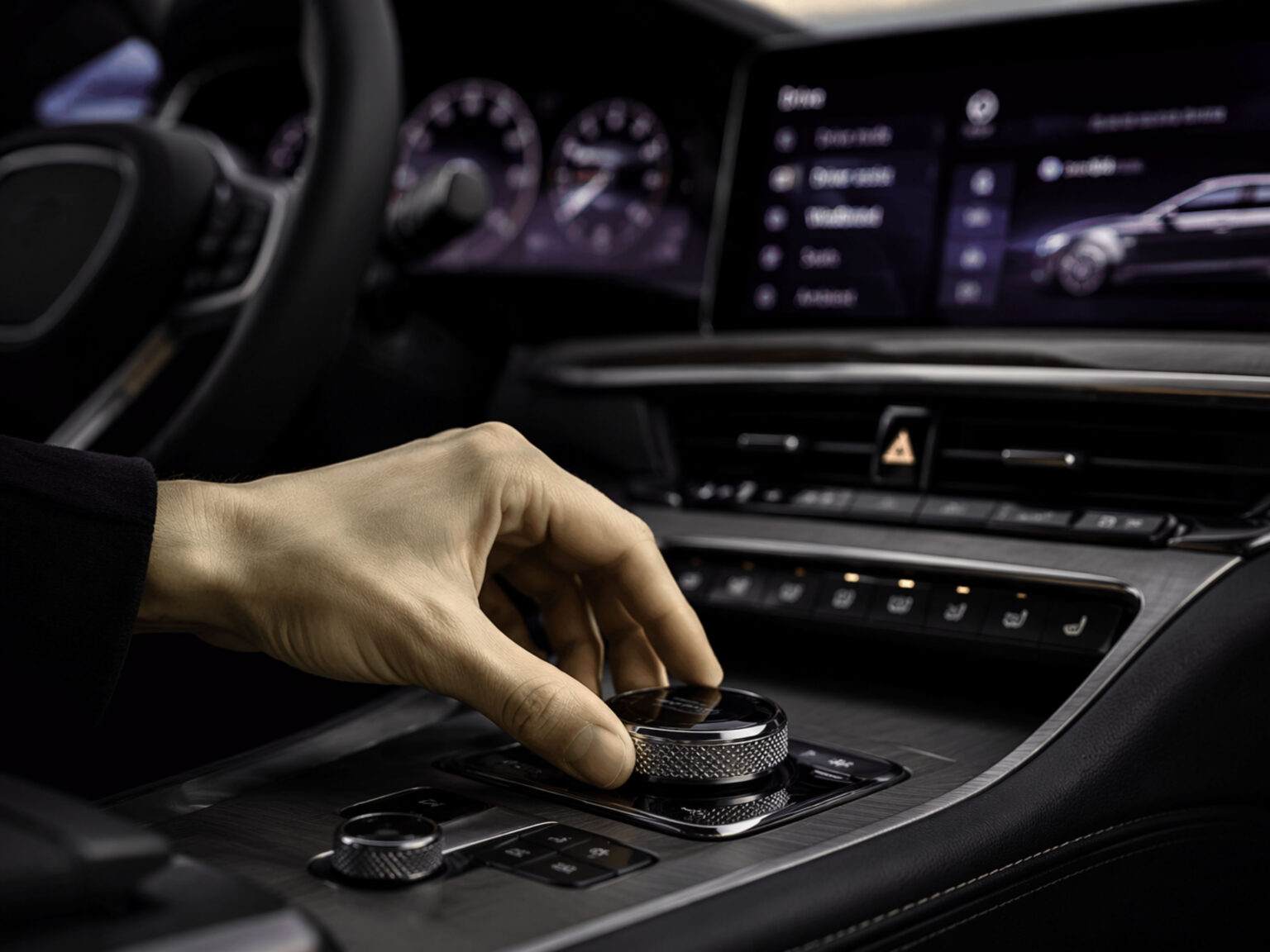
Safety programs in Europe and other regions increasingly encourage physical controls, such as buttons and dials, for essential functions. For example, Euro NCAP 2026 protocols require tactile controls for higher safety ratings, while ANCAP 2026 similarly rewards intuitive physical interfaces. These initiatives aim to reduce eyes-off-road time and promote intuitive interaction.
As a result, OEMs are adopting a “digital-analog balance,” keeping safety-critical information and controls immediately accessible, while managing complexity through digital systems.
Hybrid cockpit architectures: the best of both worlds
Rather than choosing between analog and digital, the industry is converging on hybrid architectures that combine both strengths.
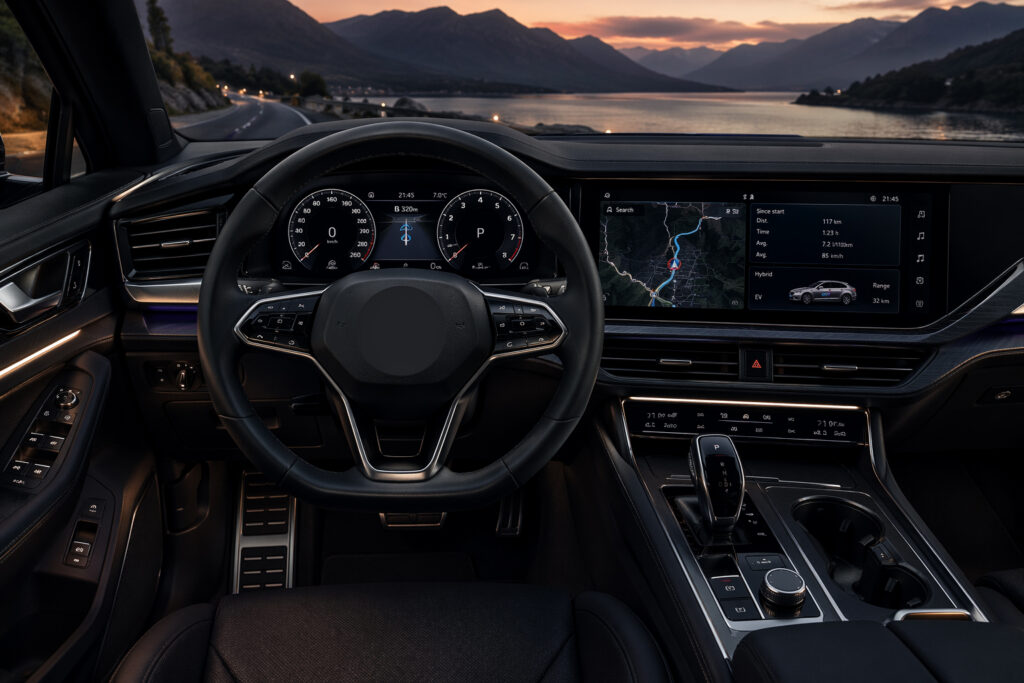
Hybrid clusters integrate mechanical or electromechanical gauges with digital displays, blending familiarity with flexibility. This allows OEMs to retain analog readability while leveraging digital layers for navigation, ADAS, personalization, and connectivity.
The result is a cockpit that is:
- Intuitive for critical driving information
- Adaptive to dynamic content and personalization
- Distinctive in design and brand experience
This aligns with evolving driver expectations for both sophistication and ease of use.
Enabling the transition: AUMOVIO Engineering Solutions
At AUMOVIO Engineering Solutions, we recognize that the future of cockpit design lies in integrating analog and digital elements.
Our approach focuses on delivering tailored hybrid HMI solutions that combine advanced display technologies with precision mechanical integration and craftsmanship.
We support OEMs and mobility innovators across key areas:
- Hybrid instrument cluster design
Combining analog gauges with digital intelligence to create intuitive, distinctive experiences
- Human-centric HMI engineering
Optimizing information presentation to reduce distraction and improve awareness
- Premium cockpit integration
Embedding advanced displays into high-quality materials for cohesive interiors
- Brand differentiation
Translating brand identity into unique HMI concepts that blend heritage with modern technology
By bridging traditional engineering with next-generation architectures, we enable cockpits that are both advanced and driver-centric.
Designing for balance in the digital age
The re-emergence of analog displays is not a rejection of digital innovation: it is a refinement.
As vehicles become software-defined, clarity, safety, and emotional connection grow more important. Analog elements provide intuition and trust, while digital systems enable adaptability and connectivity.
At AUMOVIO Engineering Solutions, we support this evolution by shaping cockpit experiences that are intuitive, safe, and distinctive.